I Like Your Christmas Balls
When you are scrolling through digital design assets looking for that one piece to elevate your holiday collection, I Like Your Christmas Balls immediately catches the eye. As a designer who has spent years evaluating embroidery files for both personal gifts and commercial boutique lines, I know that a successful design needs more than just a cute theme; it needs personality, stitch clarity, and a bit of cheeky charm that translates perfectly from screen to fabric.
This design is not your typical sterile holiday ornament. It brings a specific kind of mischief to the table with its double entendre and festive illustrations. Whether you are an Etsy seller preparing a seasonal drop or a hobbyist making a personalized gift for a friend, understanding how this file behaves in real-world scenarios is crucial before you hit the start button on your machine.
First Impressions and Visual Personality
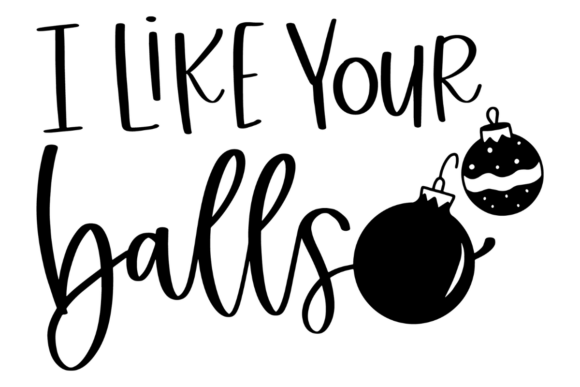
The moment you open the file, the layout of I Like Your Christmas Balls suggests a playful energy. The typography is bold, likely utilizing a satin stitch for the lettering to give it that raised, tactile feel that customers love on finished products. The inclusion of Christmas ornament illustrations adds a layer of visual interest that breaks up the text, creating a balanced composition that works well as a focal point on garments or home decor items.
In terms of mood, this design screams "holiday party" rather than "formal dinner." It is perfect for the creative entrepreneur who wants their handmade products to stand out with humor. The hand-lette style implies a custom, crafted look that fits seamlessly into the narrative of a small shop product. It feels like something you would find on a high-quality apron in a trendy kitchen or a cozy sweatshirt at a craft fair.
Real-World Application: From Screen to Stitch
Let's imagine a practical scenario. You are preparing a batch of custom embroidered tote bags for a holiday market. You want something that will make people smile when they pick up the bag. I Like Your Christmas Balls is an ideal candidate for this project. The size and detail level are generally suitable for the front panel of a canvas tote, where the design can be fully appreciated without being cramped.
However, if you were to attempt this same design on a baby onesie, you would need to reconsider. While the concept is fun, the wording might be too risqué for certain parents, even if intended as a joke. Furthermore, the density of the fill stitches could potentially make the fabric stiff around the neckline, which is uncomfortable for infants. This is why reviewing the stitch density and hoop size is so important before committing to a production run.
For a sweatshirt embroidery project, the design shines. The heavier weight of fleece or cotton blends provides a stable foundation for the satin and fill stitches required by the design. When stitched on a dark-colored sweater, the contrast of light thread colors against the fabric creates a professional finish that enhances brand consistency. Similarly, applying this to a kitchen towel or pillow cover allows the festive theme to pop in a domestic setting, turning a simple household item into a conversation starter.
Where Caution is Required
Not every surface is a good match for this particular embroidery file. If you are working with textured fabrics like chunky wools or bouclé, the fine details of the ornaments and the crisp edges of the letters may get lost in the weave. The design relies on clean lines to convey its message effectively, and a rough texture can muddy that visual appeal.
Stretchy fabrics present another challenge. Without a proper stabilizer, the tension of the stitches could cause the design to pucker or distort, especially on curved surfaces like caps or hats. While I Like Your Christmas Balls might look great on a flat mockup, testing it on a curved brim requires careful hooping and potentially adjusting the stitch density to accommodate the curve. If the design includes tiny lettering or detailed corners, these areas are prone to thread breaks or loss of definition if the fabric is too thin or unstable.
Additionally, consider the end-use of the product. Items that require frequent washing, such as dishcloths or play clothes, should be tested thoroughly. High-density designs can sometimes trap lint or become difficult to clean if the backing is too thick. Always inspect small details after the first wash to ensure the design holds up to the rigors of daily use.
Impact on Product Value and Customer Trust
In the world of handmade goods and commercial embroidery, the quality of the stitch work directly influences customer trust. A design like I Like Your Christmas Balls, when executed correctly, elevates the perceived value of the finished product. It signals that the maker put thought into the selection of graphics and paid attention to the technical execution.
For an Etsy seller or a small business owner, using a design with a unique voice helps in building a recognizable brand. Customers engage more with products that have a story or a sense of humor. However, if the design is poorly digitized or stitched incorrectly, the result can look cheap, damaging the reputation of the shop. This is why checking the digital preview in black and white is a smart step; it ensures that the contrast between the different stitch types is sufficient for readability.
Practical Designer Notes for Success
Before you rush to produce a batch of these items, there are several technical steps you must take to guarantee a professional outcome. First, always test the design on scrap fabric that matches your final material. This allows you to see how the thread colors interact with the fabric texture and whether the stabilizer choice is adequate.
Review the stitch density carefully. If the fill areas are too dense, the fabric may pucker; if they are too sparse, the underlying material might show through, ruining the visual impact. Confirm the hoop size requirements to ensure the design fits within your machine's capabilities without needing to re-hoop, which can lead to misalignment.
Inspect the small details of the ornaments and the kerning of the letters. Sometimes, what looks fine on a screen can become illegible once stitched, especially if the thread color does not provide enough contrast against the background. Test the design on both light and dark fabric backgrounds to verify versatility.
Finally, do not forget the legal aspects. If you plan to sell finished items featuring I Like Your Christmas Balls, confirm the licensing terms associated with the digital embroidery file. Some licenses allow for commercial use on a limited number of units, while others restrict selling the physical product entirely. Understanding these rules protects your craft business from potential legal issues.
By treating this design with the same rigor as any other professional asset, you ensure that your I Like Your Christmas Balls projects are not just funny novelties but high-quality pieces of art that customers will cherish. Whether you are creating a personalized gift or stocking your boutique with holiday-themed apparel, taking the time to evaluate the design's performance in real-life situations will pay off in the quality of your final product.