Florida Where Crazy Comes from: A Designer's Review
As a professional designer who has spent years turning digital files into tangible, stitched realities, I approach every new embroidery file with a mix of excitement and skepticism. When I first encountered the "Florida Where Crazy Comes from" State Silhouette Edition, I wasn't just looking at a graphic; I was visualizing how it would perform under the needle on real fabrics for actual clients. This design captures the chaotic, vibrant energy of the Sunshine State, but does it translate well to a physical product? After running some mental simulations and reviewing the layout, here is my honest assessment of how this piece fits into the world of machine embroidery design.
The First Impression: Mood and Layout
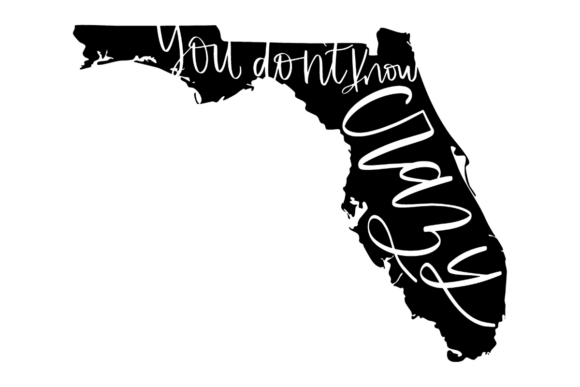
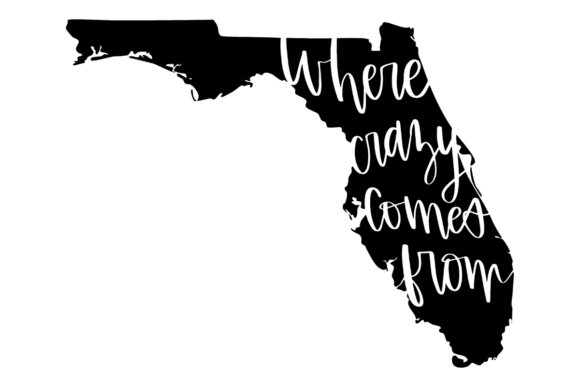
The moment you look at "Florida Where Crazy Comes from," the mood is instantly set. It isn't trying to be subtle or overly elegant; it embraces the bold, slightly irreverent spirit of Florida. The silhouette shape provides a strong anchor, allowing the text to flow naturally within the state's borders. For a designer, this is crucial because the negative space in a silhouette often dictates where the eye travels. In this case, the layout feels balanced, avoiding the clutter that can make a custom apparel piece look cheap.
The typography suggests a playful personality, which aligns perfectly with the humorous slogan. It feels like something that belongs on a coffee shop apron, a beach tote, or a family reunion sweatshirt. The design assets are clean, suggesting that the digitization (assuming standard quality) will handle curves well. However, the humor relies on legibility, so the font weight and spacing are critical factors that determine whether the message lands as funny or gets lost in the stitching.
Real-World Application: From Screen to Stitch
Let's imagine a practical scenario. You are an Etsy seller preparing inventory for the summer season. You want to create a line of personalized gifts that celebrate the unique lifestyle of Floridians. You decide to use "Florida Where Crazy Comes from" on a canvas tote bag. This is a classic choice, but let's dig deeper into the execution.
When applied to a sturdy canvas tote, the design works exceptionally well. The fabric texture of canvas holds up against the density of a typical fill stitch, providing a nice contrast to the smooth satin stitch used for outlines or lettering. Customers scrolling through your shop will see a finished product that looks professional and ready to use. The design acts as a conversation starter, increasing buyer engagement because people love sharing their "Florida crazy" identity.
But what about other products? Consider a baby onesie or a nursery pillow cover. Here, the tone shifts slightly. While the design is fun, you must ensure the scale is appropriate. On a small item, the details need to remain crisp. If the design includes fine lines or tiny decorative accents, they might disappear when stitched on a 5x7 hoop. In these cases, the design serves best as a focal point rather than a background element. It transforms a simple handmade product into a boutique-quality item that commands a higher price point.
I also see potential for this design in holiday embroidery projects. Think Christmas ornaments or Thanksgiving kitchen towels. The phrase offers a lighthearted twist on traditional seasonal greetings. When paired with festive colors like red and green thread, the silhouette becomes a statement piece. For commercial embroidery projects, such as branding for a local boutique, this design adds a layer of local pride that resonates with customers.
Where Caution is Required
Even a great design has its limitations. As an experienced reviewer, I have to point out where "Florida Where Crazy Comes from" might struggle if not handled correctly. One of the biggest pitfalls in craft business is ignoring the substrate. If you attempt to stitch this onto a stretchy fabric without proper stabilizer, the distortion will ruin the silhouette shape. The state outline could warp, making the text unreadable and the whole project look amateurish.
Small hoop sizes present another challenge. If the design is dense, squeezing it into a tight area can cause thread breaks or piling. You need to check the stitch density before committing to production. Additionally, dark fabrics require careful consideration of thread colors. If the design relies on light threads for detail, you might need a high-density underlay or a specific color palette to ensure visibility. Without testing, you risk ending up with a muddy finish that lacks the crispness expected in handmade product reviews.
Curved surfaces, like caps or fitted hats, add complexity. The flat silhouette might not lay flat on a curved brim unless the digitization accounts for pull compensation. Similarly, if the design features tiny lettering or intricate corners, these areas are prone to tearing or losing definition after frequent washing. For items that need durability, such as work aprons or frequently washed kitchen towels, you must verify that the stitch types used (like running stitch vs. satin stitch) are robust enough for the intended lifespan.
Impact on Visual Appeal and Brand Trust
The quality of your embroidery directly influences customer trust. A well-executed "Florida Where Crazy Comes from" design signals professionalism. It tells the buyer that you care about the details and that the finished product is worth the investment. Conversely, a sloppy stitch job can damage your reputation, especially for Etsy sellers and small shop owners relying on word-of-mouth.
This design has the potential to enhance brand consistency. If your shop focuses on Southern charm or quirky home decor, this piece fits seamlessly into your aesthetic. It creates a cohesive look across your design assets, whether they appear on social media mockups or actual merchandise. When customers receive a personalized gift that looks polished, they are more likely to leave positive reviews and recommend your services to others.
However, the visual appeal also depends on the finishing touches. Proper trimming of jump stitches and removing excess stabilizer are essential steps that elevate the final result. The design itself provides the foundation, but the craftsmanship brings it to life. For digital product sellers, ensuring that the file preview accurately represents the final stitched look is vital to managing customer expectations.
Practical Designer Notes for Success
Before you hit the "start" button on your machine, there are several steps you must take to ensure success. First, always test the design on scrap fabric that matches your final material. This allows you to check thread color contrast and inspect small details under magnification. You need to confirm that the hoop size accommodates the design without cutting off any elements.
Review the stitch density carefully. If the fill areas are too dense, the fabric may pucker; if too sparse, the backing might show through. Use a high-quality stabilizer appropriate for your fabric type—cut-away for stretchy materials and tear-away for stable wovens. Inspect the design in black and white mockups to ensure the contrast remains strong regardless of the thread colors you choose.
If you plan to sell finished items, double-check the licensing terms. Some digital embroidery files restrict commercial use or require a separate license for selling the final product. Confirm whether the design works for both personal and commercial projects to avoid legal issues later. Finally, compare the design on light and dark backgrounds to ensure versatility.
In conclusion, "Florida Where Crazy Comes from" is a versatile and engaging design that offers great potential for embroidery designers and creative entrepreneurs. Whether you are creating a single personalized gift or scaling up for a boutique collection, this piece brings a sense of fun and authenticity to your work. By paying attention to fabric selection, stabilization, and finishing techniques, you can transform this digital concept into a stunning finished product that celebrates the unique spirit of Florida.