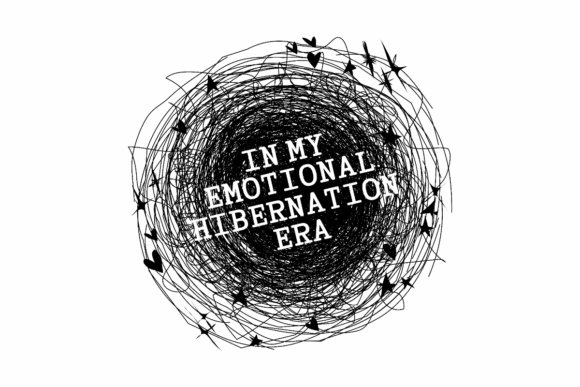
My Emotional Hibernation Era: A Designer's Embroidery Review
When I first opened the file for My Emotional Hibernation Era, I didn't just see a graphic; I felt a mood. As an embroidery designer who has spent years turning digital assets into tactile reality, my first instinct is always to look past the pretty pixels and ask: how will this actually behave under the needle? This design isn't just another trendy quote slapped onto a shirt. It carries a specific energy—a mix of chaotic scribbles and introspective text that screams "mental health awareness" while maintaining a distinct artistic edge. In a sea of generic typography, this piece stands out because it embraces imperfection, which is exactly what makes it a compelling candidate for real-world stitching.
The concept of hibernation resonates deeply in today's fast-paced world. People are tired, overwhelmed, and craving space. A design that acknowledges this need for rest is not just decorative; it is relatable. However, translating the "chaos scribble" aesthetic from a flat screen to a stitched surface requires careful consideration. The visual personality here is raw and organic, relying on fluid lines rather than rigid geometric shapes. This immediately raises questions about stitch density and thread tension. If the chaos is too dense, it could turn into a muddy blob of thread. If it is too sparse, the emotional weight of the message might get lost. My initial assessment suggests that this design thrives when given room to breathe, making it perfect for larger canvas areas where the texture of the stitches can mimic the hand-drawn feel of the original art.
From Digital File to Finished Product: A Real-World Scenario
To truly understand the potential of My Emotional Hibernation Era, let's imagine a practical scenario. I am preparing a custom order for a boutique client who specializes in self-care gifts. They want to create a line of embroidered tote bags specifically for therapists, writers, and creative entrepreneurs. The goal is to produce a product that feels intimate and handmade, something that customers would be proud to carry to their local coffee shop or library.
I selected a heavy-duty cotton canvas tote bag as the base. The fabric needed to be sturdy enough to hold the weight of the embroidery without warping but soft enough to maintain a cozy aesthetic. When I digitized the My Emotional Hibernation Era design for this project, the challenge was balancing the intricate scribble work with the legibility of the text. I decided to place the design centrally on the front panel, allowing the chaotic lines to frame the words naturally. The result was striking. The running stitches captured the jagged edges of the scribbles beautifully, creating a sense of movement that static print never achieves. The satin stitch used for the main text provided a smooth contrast, grounding the design and ensuring the message was clear even from a distance.
But the story doesn't end there. I also considered using this design on a softer fabric, like a fleece sweatshirt, for a more wearable application. On the hoodie, the design took on a different life. The fuzziness of the fleece softened the sharp edges of the scribbles, giving the final product a dreamy, almost ethereal quality. This versatility is rare. Many designs work well on one fabric type but fail miserably on another. My Emotional Hibernation Era manages to bridge the gap between structured apparel and casual loungewear, making it a valuable asset for any small business owner looking to expand their product line.
Where to Be Cautious: Fabric and Hoop Limitations
While the design is versatile, it is not without its pitfalls. An experienced designer knows that every machine embroidery project comes with constraints. One area where My Emotional Hibernation Era requires extra attention is on stretchy fabrics like jersey knit t-shirts. The "chaos" element relies on defined lines, and if the fabric stretches during stitching, those lines can warp, distorting the intended message. To mitigate this, a strong cut-away stabilizer is non-negotiable. Without proper support, the tension of the threads could pull the fabric into puckers, ruining the professional finish.
Another critical factor is the hoop size. Because the design features detailed corners and varying line weights, attempting to fit it into a very small hoop (like 4x4 inches) is risky. The intricate scribbles might get crowded, causing thread breaks or a loss of detail. For best results, I recommend using a medium to large hoop (5x7 inches or larger). This allows the machine to execute the complex transitions between fill stitches and running stitches smoothly. Additionally, textured fabrics like corduroy or thick denim can hide the finer details of the design. On such materials, the depth of the fabric might obscure the delicate lines of the scribble art, making the design appear less defined than intended.
Dark fabrics present yet another challenge. While high-contrast thread colors can solve some issues, the "chaos" nature of the design means that shadows and highlights play a significant role in its appearance. On a black background, lighter threads pop, but the negative space within the scribbles might disappear if the thread count is too low. Conversely, on white fabric, dark threads provide excellent clarity. Testing thread color contrast before committing to a full production run is essential to ensure the design retains its visual impact.
Elevating Brand Value and Customer Trust
In the world of Etsy sellers and craft fair vendors, the quality of your finished product speaks volumes about your brand. A poorly executed embroidery job can undermine years of building trust. My Emotional Hibernation Era offers a unique opportunity to elevate perceived value. The design's connection to mental health and introspection adds an emotional layer to the product that goes beyond mere aesthetics. Customers aren't just buying a tote bag or a patch; they are buying a statement about their own well-being.
When the stitching is clean and the design is executed with precision, the product feels premium. The combination of the bold text and the free-flowing scribbles creates a dynamic visual that catches the eye. This is particularly effective for holiday gifts or personalized items. Imagine gifting a baby onesie embroidered with this design; the juxtaposition of a serious topic with a cute item creates a memorable and touching keepsake. However, this emotional resonance depends entirely on the technical execution. If the stitches are uneven or the fabric is distorted, the message is lost, and the customer may feel the product lacks care.
For commercial embroidery projects, consistency is key. Using My Emotional Hibernation Era across a range of products—from aprons to pillow covers—helps establish a cohesive brand identity. The design acts as a signature style, signaling to buyers that your shop understands current trends while delivering high-quality craftsmanship. It is a design asset that works hard for you, bridging the gap between digital graphics and tangible goods.
Essential Notes for the Embroidery Designer
Before you hit the start button on your machine, there are several practical steps to take to ensure success. First and foremost, test the design on scrap fabric. This simple step can save hours of frustration and wasted material. Check the thread color contrast against both light and dark backgrounds to confirm visibility. Review the stitch density carefully; if the fill areas are too dense, the fabric may pucker, and if they are too loose, the design may look thin and unfinished.
Inspect the small details closely. The "scribble" aspect of My Emotional Hibernation Era contains many tiny loops and turns. Ensure that your digitization allows the machine to navigate these curves without excessive trimming or thread breaks. Confirm your hoop size matches the design dimensions to avoid cropping important elements. Use the appropriate stabilizer for your chosen fabric type; a floating method might be necessary for delicate items, while a tear-away might suffice for stable wovens.
Finally, verify the licensing terms. Whether you are selling finished products or offering digital files, understanding the commercial rights is crucial. Make sure you have the permission to use My Emotional Hibernation Era for your specific business model. By taking these precautions, you ensure that your finished product not only looks beautiful but also stands up to the rigorous standards of the handmade market.
In conclusion, My Emotional Hibernation Era is more than just a graphic; it is a powerful tool for designers and makers. It captures a modern sentiment and translates it into a format that invites touch and interaction. With the right technique and attention to detail, this design can become a standout piece in any portfolio, bringing both artistic flair and meaningful connection to your customers' lives.